
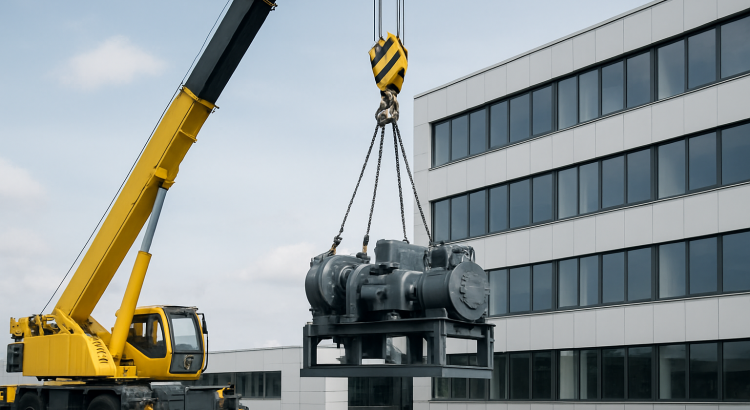
Industrial facilities depend on specialised machinery and equipment to maintain productivity, support operational goals, and deliver consistent results. Whether an organisation is relocating a production line, installing new equipment, upgrading a facility, or consolidating operations, moving heavy machinery is often one of the most complex aspects of the project. Industrial rigging and machinery moving involves far more than transporting equipment from one location to another. Success depends on detailed planning, precise execution, and the ability to manage risks throughout every stage of the process.
Modern industrial equipment is often extremely valuable, highly specialised, and essential to daily operations. Even minor mistakes during a machinery move can result in equipment damage, project delays, increased costs, or safety concerns. This is why planning and precision remain at the centre of successful rigging and machinery moving projects. Organisations that prioritise these elements are often better positioned to complete projects efficiently while protecting both personnel and assets.
One of the first reasons planning is so important is the sheer complexity of industrial environments. Manufacturing plants, processing facilities, warehouses, and industrial sites frequently contain equipment that is integrated into larger operational systems. Moving a single machine may affect electrical infrastructure, automation controls, production schedules, utility connections, and surrounding equipment.
Before any movement begins, project teams must understand how each component fits within the broader operational environment. Careful planning helps identify dependencies, determine appropriate sequences of work, and ensure that critical details are not overlooked. Without this preparation, unexpected complications can quickly emerge and disrupt project timelines.
Site evaluations often form the foundation of the planning process. Every facility presents unique challenges, including building layouts, access restrictions, floor load capacities, ceiling heights, door dimensions, and equipment positioning. Industrial rigging and machinery moving projects require a thorough understanding of these factors before equipment can be relocated safely.
Experienced professionals typically conduct detailed assessments to identify potential obstacles and determine the most effective approach for moving machinery. This information allows project teams to develop strategies that minimise risk while improving efficiency throughout the relocation process.
Equipment evaluation is another critical component of planning. Industrial machinery varies significantly in terms of size, weight, configuration, and operational requirements. Some machines may consist of multiple interconnected components, while others require specialised handling due to their design or sensitivity.
Understanding these characteristics helps determine the appropriate rigging methods, transportation equipment, lifting devices, and personnel requirements needed for the project. Proper evaluation also helps prevent situations where equipment limitations are discovered after work has already begun.
Safety is closely tied to effective planning. Industrial rigging activities often involve heavy loads, elevated lifting operations, confined spaces, and complex movement procedures. These conditions create risks that must be managed carefully to protect everyone involved.
Detailed planning allows teams to identify hazards in advance and implement appropriate controls before work begins. Risk assessments, lift plans, equipment inspections, and communication protocols all contribute to safer project execution. By addressing potential concerns proactively, organisations reduce the likelihood of accidents and operational disruptions.
Precision becomes particularly important once machinery movement begins. Industrial equipment is often designed with extremely tight tolerances, meaning even slight positioning errors can create operational challenges later. Proper alignment, accurate placement, and controlled handling are essential for ensuring that machinery performs correctly after installation.
This level of precision requires both technical expertise and specialised equipment. Rigging professionals use carefully calculated lifting techniques, measurement tools, and positioning methods to ensure that equipment reaches its intended location safely and accurately. The ability to move heavy machinery with precision is one of the defining characteristics of experienced industrial rigging teams.
Load calculations represent another area where accuracy is essential. Every piece of machinery has specific weight characteristics and load distribution patterns that must be considered during lifting and transportation. Incorrect calculations can compromise safety, damage equipment, or place excessive stress on rigging systems.
Professional rigging teams devote significant attention to understanding load requirements before lifting operations begin. Accurate calculations help ensure that cranes, hoists, lifting devices, and support equipment are used within their intended capacities. This careful approach contributes to both safety and operational efficiency.
Transportation planning also plays a major role in successful machinery moving projects. Moving equipment within a facility presents one set of challenges, while relocating machinery between locations introduces additional considerations. Route selection, permitting requirements, vehicle specifications, traffic management, and delivery schedules all require careful coordination.
Without thorough planning, transportation delays can affect installation schedules and increase overall project costs. By developing detailed logistics plans in advance, project teams help ensure that equipment arrives at the correct location at the appropriate time.
Communication is another area where planning directly influences project outcomes. Industrial rigging and machinery moving projects often involve multiple stakeholders, including facility managers, engineers, equipment operators, contractors, and safety personnel. Coordinating these groups effectively requires clear communication and defined responsibilities.
Project plans help establish expectations and ensure that everyone understands their role throughout the process. This level of coordination reduces confusion, minimises delays, and supports safer working conditions by ensuring that information is shared consistently.
Downtime management is often a primary concern for industrial organisations. Production interruptions can affect customer commitments, revenue generation, and operational efficiency. Because machinery moving projects frequently occur within active facilities, reducing downtime is a critical objective.
Planning allows organisations to develop schedules that minimise disruption to ongoing operations. In some cases, moves can be completed during planned shutdown periods or through phased implementation strategies that allow portions of the facility to remain operational. These approaches help maintain productivity while still achieving project objectives.
Precision also contributes to reducing downtime. Equipment that is positioned correctly, aligned accurately, and connected properly is more likely to return to service quickly following installation. Conversely, errors during the moving process can create delays that extend beyond the relocation itself.
Commissioning activities further highlight the importance of planning and precision. Once machinery has been relocated and installed, it must be tested to verify that it operates as intended. Proper planning ensures that commissioning requirements are considered throughout the project rather than treated as an afterthought.
When equipment is moved carefully and installed accurately, commissioning tends to proceed more smoothly. This allows facilities to resume production sooner while reducing the likelihood of operational issues after startup.
Modern industrial projects increasingly involve advanced automation systems, digital controls, and highly integrated equipment. These technologies offer significant benefits but also increase the complexity of machinery relocation projects. Precision becomes even more important when dealing with equipment that depends on exact positioning and reliable system integration.
Industrial rigging and machinery moving professionals help organisations navigate this complexity by combining technical expertise with practical experience. Their understanding of equipment requirements, facility constraints, and project management principles supports successful outcomes even in challenging environments.
As industries continue to evolve, the demand for efficient and reliable machinery relocation services remains strong. Businesses frequently adapt their facilities to accommodate growth, modernisation, and changing operational needs. Each of these initiatives relies on the ability to move equipment safely and effectively.
The importance of planning and precision in industrial rigging and machinery moving cannot be overstated. From initial site assessments and risk evaluations to lifting operations, transportation logistics, equipment placement, and commissioning, every stage of the process depends on careful preparation and accurate execution.
Organisations that prioritise these principles benefit from safer projects, reduced downtime, improved equipment protection, and more efficient outcomes. By investing in thorough planning and maintaining a commitment to precision, industrial facilities can successfully complete complex machinery moving projects while supporting long-term operational success.