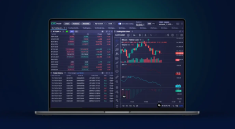

Financial markets have become increasingly interconnected, giving traders access to opportunities that span continents, industries, and asset classes. While traditional investing often requires direct ownership of assets, modern financial instruments have introduced alternative ways to participate in market movements. Among these instruments, Contracts for Difference (CFDs) have gained attention for the flexibility they offer traders seeking exposure to global markets.
Whether someone is interested in stocks, commodities, indices, currencies, or cryptocurrencies, CFDs provide a way to engage with a wide range of markets from a single trading platform. This accessibility has contributed to their popularity among traders who value convenience, efficiency, and the ability to react quickly to changing market conditions.
Understanding How CFDs Work
A Contract for Difference is a financial agreement between a trader and a broker that allows the trader to speculate on the price movement of an asset without owning the underlying asset itself. Instead of purchasing shares, commodities, or currencies directly, traders enter into a contract based on whether they believe the asset’s price will rise or fall.
One of the defining features of CFDs is that traders can potentially profit from both upward and downward market movements. If a trader expects a market to increase in value, they can open a buy position. If they anticipate a decline, they can open a sell position. This flexibility creates opportunities in a variety of market conditions rather than limiting participation to bullish environments.
Financial professionals and market educators often highlight the importance of understanding market mechanics before trading leveraged products. Like any sophisticated financial instrument, CFDs require knowledge, discipline, and a clear risk-management strategy. Traders who take the time to learn how these products function are generally better positioned to make informed decisions.
Access to Diverse Global Markets
One reason CFDs have become widely used is the broad market access they provide. Through a single brokerage account, traders can often gain exposure to international stock markets, major currency pairs, commodities such as gold and oil, and leading market indices.
This level of accessibility allows traders to diversify their market exposure without the complexity of opening multiple accounts across different exchanges and jurisdictions. A trader interested in European stocks, Asian indices, and U.S. technology companies can often access all of these opportunities through one platform.
The ability to monitor and trade multiple markets from a centralised location is particularly valuable in today’s fast-moving financial environment. Economic announcements, geopolitical developments, and industry trends can influence markets around the world. CFDs enable traders to respond quickly when opportunities arise across different regions and sectors.
Flexibility Through Leverage and Market Direction
Another key advantage of CFDs is the use of leverage. Leverage allows traders to control a larger market position with a smaller initial capital commitment. While this can increase potential returns, it can also magnify losses, making risk management a critical component of successful trading.
Understanding the balance between opportunity and risk is essential. Many traders spend significant time evaluating the CFD trading risks and benefits before incorporating these instruments into their trading strategies. The flexibility offered by leverage can be appealing, but it requires careful position sizing and a disciplined approach to capital preservation.
In addition to leverage, the ability to trade in both rising and falling markets adds another layer of flexibility. Traditional investors often rely primarily on asset appreciation for gains. CFD traders, however, can potentially capitalise on bearish market conditions as well. This dual-direction capability provides additional strategic options when markets become volatile or uncertain.
Risk Management and Strategic Decision-Making
Experienced traders understand that flexibility alone does not guarantee success. Effective risk management remains one of the most important elements of long-term trading performance. Professional trading practices often include setting stop-loss orders, defining acceptable risk levels, and maintaining a structured trading plan.
Industry experts and financial regulators consistently emphasise the importance of education when trading leveraged products. Markets can move unexpectedly, and even well-researched positions may experience adverse price movements. Managing risk helps traders protect their capital and maintain consistency over time.
Successful CFD trading often involves combining technical analysis, fundamental research, and market awareness. Traders who understand broader economic trends and market sentiment may be better equipped to identify opportunities while avoiding unnecessary exposure. A disciplined approach can help transform flexibility into a practical advantage rather than a source of excessive risk.
Conclusion
Global markets present countless opportunities, but accessing them efficiently has historically been a challenge for many traders. CFDs have helped bridge that gap by offering exposure to multiple asset classes and international markets through a single, flexible trading structure. Their ability to provide access to both rising and falling markets further enhances their appeal in diverse market environments.
Flexibility should always be paired with responsibility. Understanding market dynamics, maintaining disciplined risk management practices, and continuously improving financial knowledge are essential for navigating CFD trading successfully. When approached thoughtfully, CFDs can serve as a valuable tool for traders seeking broader market access and greater strategic flexibility in an increasingly connected financial world.