
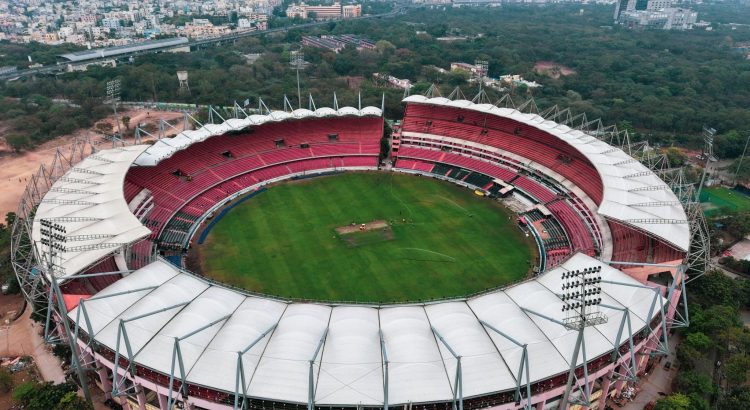
Sports infrastructure has evolved far beyond traditional stadium construction, becoming a critical component of economic development, urban planning, and technological innovation. Modern sports facilities now integrate advanced technologies, sustainable design principles, and smart operational systems that enhance athlete performance, fan experiences, and venue efficiency. Governments, investors, developers, and sports organizations increasingly recognize the strategic value of world-class sports infrastructure.
The growing importance of the sports infrastructure technology summit reflects the industry’s commitment to innovation, collaboration, and future-ready facility development. Through technology integration and strategic planning, modern sports infrastructure continues transforming how sporting events are hosted, managed, and experienced across global markets.
Technology Integration: Transforming Sports Venues Worldwide
Modern sports infrastructure increasingly relies on advanced technologies that improve operational efficiency, safety, sustainability, and spectator engagement. These innovations are redefining the role of sports facilities within modern cities and entertainment ecosystems.
1. Smart Venue Management Systems
Digital management platforms help operators monitor venue performance, crowd movement, energy consumption, and maintenance activities. These intelligent systems improve operational efficiency while supporting real-time decision-making that enhances both visitor experiences and facility performance.
2. Enhanced Fan Experience Technologies
Modern venues incorporate mobile applications, digital ticketing, interactive displays, and personalized engagement tools. These technologies improve convenience, reduce waiting times, and create immersive experiences that strengthen fan satisfaction and event participation.
3. Advanced Security Infrastructure
Sports facilities increasingly utilize intelligent surveillance systems, access control technologies, and real-time monitoring solutions. These measures improve public safety while supporting efficient crowd management and emergency response capabilities.
4. Data Analytics And Performance Insights
Data-driven technologies help venue operators optimize operations, improve resource allocation, and better understand visitor behavior. Analytics also support event planning and long-term infrastructure management strategies.
5. Sustainable Facility Technologies
Smart energy systems, water conservation solutions, and environmentally responsible construction technologies contribute to long-term sustainability objectives while reducing operational costs.
6. Digital Connectivity Enhancements
High-speed connectivity infrastructure enables seamless communication, digital services, and enhanced spectator experiences throughout modern sports venues.
Strategic Growth Through Global Sports Development Initiatives
The expansion of global sports ecosystems has increased interest in collaborative development opportunities that connect investors, developers, government representatives, and industry stakeholders. Events such as the sports infrastructure technology summit play a vital role in fostering discussions around innovation, funding models, and future-ready facility development.
These forums bring together technology providers, sports organizations, planners, and infrastructure experts to explore new projects and long-term growth strategies. Such collaboration supports the creation of world-class sports facilities while encouraging innovation, economic growth, and the sustainable expansion of sports infrastructure across global markets.
Economic Impact Of Modern Sports Infrastructure Development
Sports infrastructure contributes significantly to local and national economies through investment, employment, and tourism generation. Its influence extends well beyond sporting events themselves.
1. Job Creation Opportunities
Construction, operations, maintenance, and event management activities generate employment across multiple sectors, supporting economic development and workforce growth.
2. Tourism And Visitor Attractions
Major sports venues attract domestic and international visitors, boosting tourism and supporting the hospitality, transportation, and retail industries.
3. Urban Regeneration Benefits
Sports infrastructure projects often contribute to broader urban development initiatives, revitalizing communities and enhancing public spaces.
4. Private And Public Investment Growth
Infrastructure projects attract capital from both public and private sources, supporting long-term economic expansion and development objectives.
5. Commercial Revenue Generation
Sports venues generate revenue through events, sponsorships, retail operations, hospitality services, and entertainment activities.
6. Community Development Contributions
Modern sports facilities provide valuable recreational resources that support public health, social engagement, and community participation.
Sustainable Design Shaping Future Sports Facilities
Environmental responsibility has become a key priority in modern sports infrastructure planning and development. Sustainability considerations influence design, construction, and operational practices.
1. Energy Efficient Building Systems
Advanced energy management technologies reduce consumption while improving facility performance and environmental outcomes.
2. Water Conservation Strategies
Efficient water management systems help reduce resource usage while supporting sustainable facility operations.
3. Green Construction Materials
Environmentally responsible materials contribute to sustainable development objectives and improved building performance.
4. Waste Management Optimization
Modern venues implement waste reduction and recycling programs that support environmental stewardship.
5. Renewable Energy Integration
Solar, wind, and other renewable energy systems contribute to long-term sustainability goals.
6. Long-Term Environmental Planning
Sustainable infrastructure strategies support operational efficiency while minimizing environmental impact.
Innovation Partnerships Driving Infrastructure Excellence
Collaboration among stakeholders plays a crucial role in advancing sports infrastructure development. Partnerships encourage innovation and support successful project delivery.
1. Government And Private Sector Collaboration
Public-private partnerships help finance and deliver large-scale infrastructure projects efficiently.
2. Technology Provider Engagement
Technology companies contribute innovative solutions that improve venue performance and visitor experiences.
3. Sports Organization Participation
Sports governing bodies provide strategic guidance that aligns infrastructure development with industry needs.
4. Investor And Developer Cooperation
Investment partnerships support project funding and long-term operational sustainability.
5. Academic And Research Contributions
Research institutions contribute valuable insights into design, technology, and performance optimization.
6. Global Knowledge Exchange
International collaboration encourages the adoption of best practices and emerging innovations.
Future Opportunities Emerging Across Sports Ecosystems
The future of sports infrastructure continues to evolve through technological advancements, investment growth, and changing consumer expectations. New opportunities are creating pathways for innovation and industry expansion.
1. Smart City Integration
Sports facilities are increasingly connected with broader smart city ecosystems and digital infrastructure.
2. Multi-Purpose Venue Development
Modern venues support diverse events that maximize utilization and economic value.
3. Digital Transformation Expansion
Emerging technologies continue to enhance operational efficiency and visitor engagement.
4. Global Infrastructure Investments
International investment activity supports continued facility development across multiple regions.
5. Enhanced Sustainability Commitments
Environmental responsibility remains a central focus for future infrastructure projects.
6. Innovation-Driven Competitive Advantage
Organizations that embrace innovation position themselves for long-term success within evolving sports markets.
Conclusion
Sports infrastructure continues to evolve beyond traditional stadium development, becoming a powerful driver of innovation, economic growth, sustainability, and community engagement. Through advanced technologies, strategic investment, and collaborative partnerships, modern facilities are creating new opportunities for athletes, fans, investors, and cities worldwide.
The Sports Infrastructure Investment Summit plays an important role in advancing industry discussions around future-ready facilities, technology integration, and sustainable development strategies. Through platforms such as The Smart Stadiums & Sports Infra Summit, industry leaders gain valuable opportunities to explore emerging trends, connect with key stakeholders, and help shape the future of sports infrastructure across global markets.