
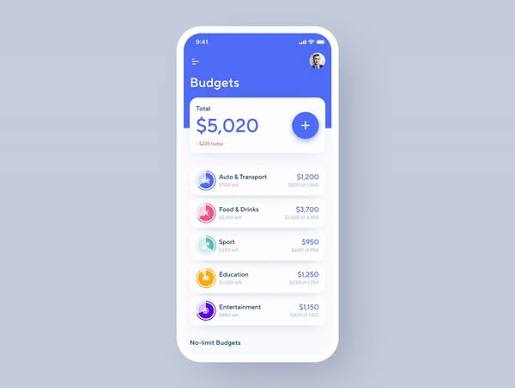
A finance app can bring several financial activities into one digital space, including payments, budgeting, borrowing, repayment tracking, and account monitoring. This can make everyday money management more convenient, especially for users who prefer to review their finances through a smartphone.
The real value of such an app, however, depends on whether it improves financial visibility. A useful platform should help users understand what they owe, when payments are due, how much they are spending, and whether a new financial commitment fits within their existing budget. Convenience is most useful when it leads to clearer decisions rather than more frequent borrowing.
One App Can Reduce Financial Fragmentation
People often manage money across several separate platforms.
They may use one app for:
- Payments
- Loans
- Investments
- Credit-card bills
- Budgeting
This can make it difficult to see the full financial picture.
A well-organised finance app can help bring important information together so users can review their obligations more easily.
Budget Tracking Can Improve Borrowing Decisions
Before taking a loan, users should know how much money remains after regular expenses.
A finance app may help track:
- Salary or business income
- Rent
- Groceries
- Transport
- Utility bills
- Existing EMIs
- Discretionary spending
Suppose someone earns ₹80,000 per month but spends ₹62,000 on essential and recurring commitments.
The amount available for a new EMI is much lower than the salary figure alone might suggest.
Budget visibility can prevent over-borrowing.
Loan Information Should Be Easy to Understand
If a finance app provides access to borrowing products, it should clearly display:
- Loan amount
- Interest rate
- EMI
- Tenure
- Processing fee
- Net disbursal
- Total repayment
These figures should be visible before the user accepts the offer.
A fast application process is useful only when the financial obligation remains clear.
Repayment Management Should Be a Core Feature
After a loan is disbursed, users need ongoing visibility.
Useful information can include:
- Upcoming EMI date
- Outstanding balance
- Payment history
- Remaining tenure
- Loan closure status
A good platform should make repayment management at least as easy as the original loan application.
Existing Debt Should Appear in One Complete View
Borrowers may have several active obligations at the same time.
For example:
- Personal loan EMI: ₹10,000
- Vehicle loan EMI: ₹7,000
- Credit-card payment: ₹6,000
- Consumer loan EMI: ₹4,000
Total monthly debt payments are ₹27,000.
Seeing only one loan at a time can make the overall burden appear smaller than it actually is.
A consolidated view helps users make more realistic decisions.
A Loan App Should Support Responsible Borrowing
A Loan App feature within a broader finance platform should do more than display available credit.
It should help users review whether borrowing is appropriate by making the cost, repayment schedule, and existing obligations clear.
Borrowers should still ask:
- Is the expense necessary?
- How much is actually required?
- Can the EMI fit comfortably?
- How much debt already exists?
Easy access should support better decisions rather than encourage unnecessary credit use.
Notifications Can Improve Financial Discipline
Useful reminders may include:
- EMI due dates
- Bill payment alerts
- Low-balance notifications
- Successful payment confirmations
These can help users stay organised.
Promotional alerts deserve different treatment.
Repeated messages offering new loans or higher credit limits should not automatically influence borrowing behaviour.
Users should separate financial reminders from marketing.
Security Should Protect More Than Login Access
Finance apps may contain sensitive financial and personal information.
Users should expect appropriate security around:
- Authentication
- Account access
- Transactions
- Personal data
They should never share:
- OTP
- UPI PIN
- Card PIN
- Internet banking passwords
Security credentials should remain private regardless of who claims to need them.
Permissions Need a Clear Purpose
Apps may request access to certain device functions.
Users should review whether each permission is necessary for the service being provided.
Unexplained or unrelated access requests should be considered carefully.
The privacy policy should also explain how user data may be collected, stored, and processed.
Financial convenience should not require unnecessary access to personal information.
Spending Insights Are Useful Only When They Lead to Action
Some finance apps categorise expenses automatically.
For example:
- Food
- Transport
- Shopping
- Utilities
- Entertainment
This can help users identify patterns.
If a person repeatedly spends more than planned in a particular category, the information becomes useful only when it leads to a budget adjustment.
Data alone does not improve finances.
Behaviour does.
Emergency Fund Tracking Can Reduce Borrowing Dependence
A finance app can also help users monitor emergency savings.
Building a reserve can reduce the need to borrow for every unexpected cost.
A buffer may help with:
- Medical expenses
- Repairs
- Temporary income disruption
- Urgent travel
Even gradual monthly saving can create more financial flexibility over time.
Investment and Borrowing Should Remain Separate Decisions
A platform may offer both credit and investment products.
Users should avoid treating them as interchangeable.
Borrowing money to invest can introduce additional risk because the loan repayment continues even if the investment loses value.
Investment decisions should ideally be based on available surplus capital rather than on easy access to credit.
Credit Information Can Add Useful Context
Some finance platforms may provide access to credit-score information or credit reports.
This can help users monitor:
- Repayment history
- Active credit
- General borrowing behaviour
A strong credit profile may improve future borrowing options, but it should not become a reason to take unnecessary loans.
Credit capacity and financial need are different things.
Support Quality Matters When Problems Occur
A finance app may seem easy to use when everything works normally.
The real test often appears when something goes wrong.
Users may need assistance with:
- Failed payments
- Incorrect loan balances
- Account access
- Prepayment
- Loan closure
Official customer-support channels should be easy to locate.
Financial Records Should Remain Accessible
Users should be able to retain important records such as:
- Loan agreements
- Repayment schedules
- Statements
- Payment confirmations
- Closure documents
These can be useful for future reference.
A digital platform should make financial documentation easier to organise, not harder to retrieve.
Small Borrowing Needs Should Still Be Evaluated Carefully
A small loan app feature may make limited credit amounts available quickly, but the same affordability principles still apply.
Users should compare the interest, fees, repayment period, and total cost even when the amount borrowed is relatively small.
Repeated small loans can become difficult to manage if they overlap or are used continuously for routine expenses.
Conclusion
A finance app can make borrowing and everyday money management easier when it provides a clear view of income, spending, debt, repayments, savings, and important financial records.
The strongest platforms help users connect borrowing decisions with the rest of their financial life. They make costs visible, support repayment tracking, protect sensitive information, and reduce the confusion created by managing money across too many separate services.
The best use of a finance app is not simply to access more financial products. It is to gain better control over the products and obligations already being managed.
FAQs
1. What is a finance app?
A finance app is a digital platform that may support activities such as budgeting, payments, borrowing, investment tracking, or financial account management.
2. Can a finance app help track loan repayments?
Yes. Depending on the platform, users may be able to monitor EMI dates, outstanding balances, repayment history, and remaining tenure.
3. Should I use one finance app for everything?
It can be convenient if the app is secure and provides the features you need, but users should still evaluate each financial product separately.
4. Can finance apps help with budgeting?
Many finance apps can categorise expenses, track income, and provide spending summaries that may help users manage their monthly budget.
5. Why should small loans also be tracked carefully?
Even smaller loans can create repayment pressure when several are active at the same time or when fees form a significant part of the amount borrowed.