
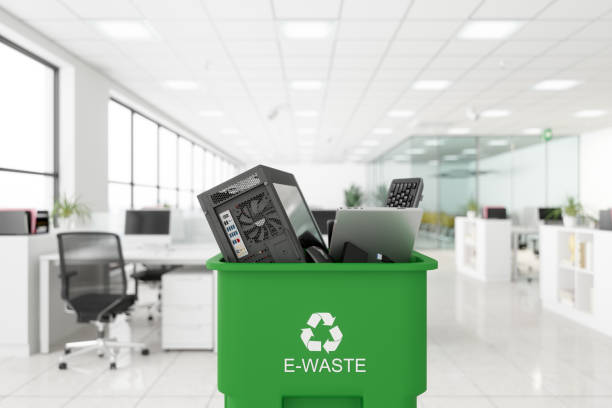
The rapid growth of digital technology has transformed the way we live, work, and communicate. However, this progress has also created a serious environmental challenge in the form of electronic waste. Discarded gadgets, appliances, and IT equipment are increasing at an alarming rate, contributing to pollution and resource depletion.
This is where e waste recycling companies in UAE play a crucial role in managing electronic waste responsibly. These companies help reduce environmental damage while recovering valuable materials from discarded electronics. Among the leading contributors to this sustainable movement are e-waste recyclers, who ensure safe collection, processing, and recycling of electronic products.
Understanding the Environmental Impact of Electronic Waste
Electronic devices contain a mix of valuable materials and hazardous substances. When disposed of improperly, they can release toxic elements such as lead, mercury, and cadmium into the environment. These substances can contaminate soil, water, and air, posing serious health risks to humans and wildlife.
At the same time, electronics also contain reusable materials such as copper, aluminum, gold, and circuit components. When e-waste is not recycled, these valuable resources are lost, increasing the need for mining and further environmental degradation.
This makes responsible recycling essential. E-waste recycling companies are designed to address these challenges by ensuring safe disposal and recovery of materials through structured recycling processes.
How E-Waste Recycling Companies Work
E-waste recycling companies follow a systematic approach to ensure environmental safety, data security, and resource recovery. The process is designed to minimize waste going to landfills while maximizing material reuse.
1. Collection of E-Waste
The first step involves collecting electronic waste from businesses, industries, and households. Devices such as laptops, servers, desktops, printers, monitors, and mobile phones are gathered for processing. Many e-waste recyclers offer scheduled pickup services to make disposal convenient for clients.
This step ensures that discarded electronics are properly managed instead of being thrown into general waste streams.
2. Sorting and Categorization
Once collected, the e-waste is carefully sorted into different categories. Items are separated based on their condition and potential for reuse.
- Reusable electronics
- Recyclable components
- Hazardous materials
This classification helps determine the best processing method for each type of electronic waste. Efficient sorting improves recovery rates and ensures safe handling of harmful substances.
3. Data Destruction and Security
One of the most critical aspects of e-waste recycling is data protection. Electronic devices often contain sensitive business or personal data. To prevent misuse or data breaches, all storage devices such as hard drives, USBs, and servers undergo secure destruction.
Certified processes are used to ensure complete data elimination. This step is a major reason why businesses rely on e-waste recycling companies, as data security is as important as environmental protection.
4. Dismantling and Material Separation
After data destruction, devices are dismantled into their core components. This includes separating metals, plastics, glass, and electronic circuits.
For example:
- Metals such as copper and aluminum are extracted for reuse
- Circuit boards are processed for valuable electronic elements
- Plastics and glass are sent for specialized recycling
This stage plays a key role in reducing environmental pollution while recovering reusable materials.
5. Recycling and Resource Recovery
Once materials are separated, they are sent to specialized recycling facilities. Here, they are processed further to extract raw materials that can be used in manufacturing new products.
This reduces dependency on natural resources and supports a circular economy model. e waste recyclers Dubai contribute significantly to this system by ensuring maximum material recovery and minimal environmental waste.
6. Refurbishment and Reuse
Not all electronic devices are fully damaged. Many items still have usable components or can be repaired. These devices are refurbished and reused, extending their lifecycle.
Refurbishment helps:
- Reduce electronic waste volume
- Lower environmental impact
- Provide affordable technology solutions
This step highlights the importance of reuse in sustainable e-waste management.
7. Certification and Reporting
After the recycling process is completed, companies issue official certificates confirming safe disposal and recycling. These certificates are essential for businesses to maintain compliance with environmental regulations and audits.
Transparent reporting ensures accountability and builds trust between recycling companies and their clients.
Environmental Benefits of E-Waste Recycling
The role of e-waste recycling companies goes beyond waste disposal. Their work directly supports environmental protection and sustainability.
Key benefits include:
- Reduction in landfill waste
- Prevention of toxic contamination
- Recovery of valuable materials
- Lower carbon footprint
- Conservation of natural resources
By promoting responsible recycling, these companies help reduce the harmful effects of rapid technological consumption.
Importance of Certified E-Waste Recyclers
Certified recycling facilities ensure that all processes follow strict environmental and safety standards. This includes proper handling of hazardous materials, secure data destruction, and compliance with regulatory guidelines.
E-waste recyclers operate under approved certifications and industry standards, ensuring that every step of the recycling process is transparent and environmentally safe.
Certification also guarantees that waste is not illegally exported or dumped, which helps protect global ecosystems.
Role of E-Waste Recycling in a Circular Economy
A circular economy focuses on reducing waste by reusing and recycling materials continuously. E-waste recycling plays a vital role in this system by ensuring that electronic components are not discarded but reintroduced into production cycles.
Through efficient recycling practices, e-waste recycling companies support long-term sustainability and resource efficiency.
Conclusion
Electronic waste is a growing global concern that directly impacts the environment through toxic pollution and resource loss. Proper recycling helps recover valuable materials, reduce landfill pressure, and prevent harmful contamination of soil and water. With structured processes like secure disposal, sorting, and material recovery, e waste recycling companies in UAE plays a key role in environmental protection and supports a more sustainable and responsible approach to handling modern electronic consumption.
Offering sustainable environmental protection through advanced recycling solutions, Planet Green Recycling delivers secure, certified, and eco-friendly solutions for electronic waste management across the UAE. As one of the trusted e-waste recycling companies and leading e-waste recyclers in Dubai, it provides end-to-end services including collection, data destruction, material recovery, and recycling. With advanced facilities, strict compliance, and sustainable practices, it ensures environmental protection while turning electronic waste into valuable resources for a greener future.