
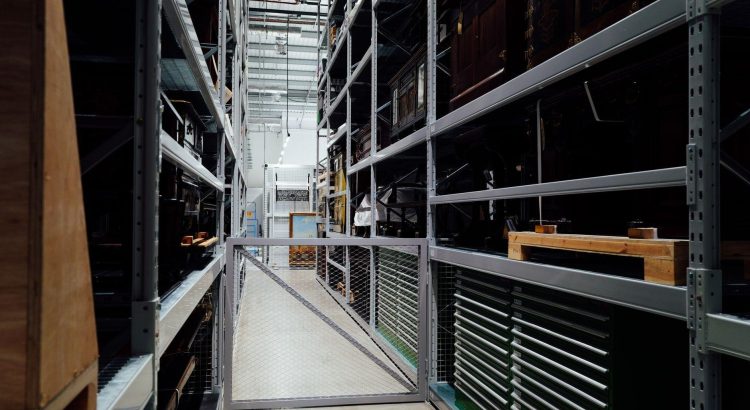
A warehouse that feels perpetually cramped often isn’t actually short on space, it’s simply using the space it has inefficiently. Aisles sized for outdated equipment, unused vertical clearance above eye level, and mismatched shelving types for the inventory being stored all quietly eat into usable capacity. Before signing a lease for additional square footage, a closer look at the existing storage strategy frequently reveals room that was there all along, just poorly organized and underutilized across the facility.
Reclaim Vertical Space With the Right Shelving Type
Most warehouses only use a fraction of their available ceiling height, storing goods at reachable levels while leaving valuable vertical space empty above. Static industrial shelves, built with commercial-grade materials and adjustable configurations, allow facilities to stack inventory higher without sacrificing the boltless, easy-to-assemble structure that keeps installation simple and reconfiguration painless as needs change over time.
Eliminate Circulation Aisles With Mobile Shelving
Fixed aisles between every row of shelving exist mainly so workers can access each section, but mobile shelving mounted on tracks or wheels changes that equation entirely. Sections move to create an aisle only where and when it’s actually needed, which reclaims the space normally lost to permanent walkways and can meaningfully increase total storage density in an existing footprint without any construction.
Match Shelf Type to the Actual Load
Wide-span heavy-duty shelving combines steel frames with more economical wooden shelves, ideal for bulky items that don’t require the reinforced capacity of a fully steel system. Using this lighter, cost-effective option where it’s appropriate rather than defaulting to the heaviest-duty shelving available everywhere reduces both cost and unnecessary footprint for lighter inventory categories.
When Drawer Storage Makes Sense
Small parts and components scattered loosely across open shelves waste space and slow down picking. Modular drawer storage units integrated into the shelving system eliminate that unused space between items and improve overall organization considerably for maintenance and parts departments handling many small components.
Audit Before Adding More Shelving
Adding more shelving units to an already inefficient layout often compounds the underlying problem rather than solving it. A proper audit of what’s actually stored, how frequently each item is picked, and which zones see the most foot traffic should come well before any new industrial shelves purchase, since the audit frequently reveals that simply reconfiguring existing space costs far less overall than expanding it further.
Plan for Reconfiguration, Not Just Today’s Needs
Inventory needs shift with seasons, new product lines, and changing order volumes, so a shelving system locked into one fixed configuration becomes a liability within a year or two. Reconfigurable, tool-free shelving designed specifically for adjustable heights and layouts adapts easily to these operational changes without requiring a full, costly system replacement every time the business evolves further.
Get the Load Capacity Right the First Time
Underestimating load capacity leads directly to sagging shelves and real safety hazards, while overestimating it means paying for structural strength the facility doesn’t actually need. MSK Canada helps warehouse operators match specific industrial shelves to their real, actual load requirements, whether that’s a few hundred pounds per level for light parts storage or several thousand pounds for heavy-duty distribution center applications across the facility.