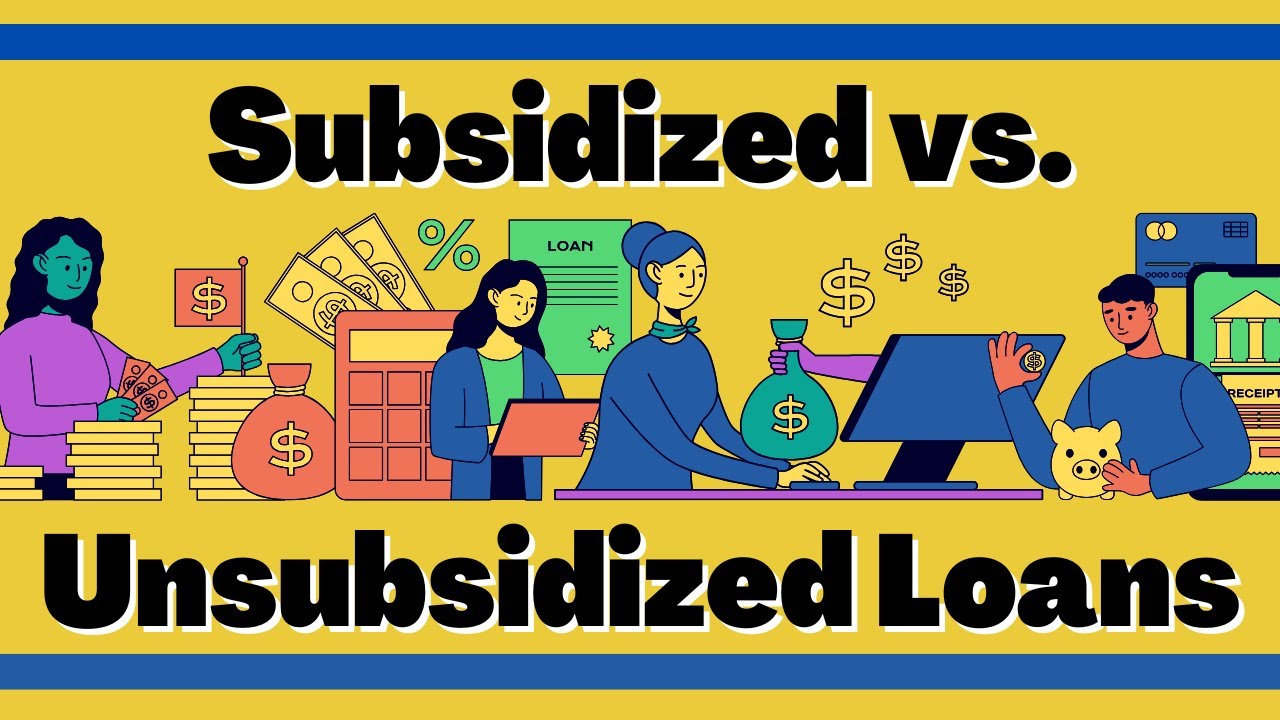

For many students, federal loans are part of the financial aid package that makes higher education possible. Understanding the difference between subsidized and unsubsidized loans is key to borrowing wisely, and avoiding long-term financial stress. Sonoran Desert Institute (SDI), which is accredited by the Distance Education Accrediting Commission (DEAC), incorporates both loan types into its financing guidance, helping students in firearms technology and uncrewed systems programs understand how repayment timelines, interest rules and protections fit into their budgets.
They emphasize responsible borrowing by encouraging students to take only what they truly need, and by outlining repayment options early in the process. Financial aid advisors walk learners through interest accrual, deferment opportunities and income-driven repayment plans, so they can make informed decisions. This proactive approach helps students graduate with the skills to pursue their careers, while minimizing the financial burden that often accompanies student loans.
Why Federal Loans Matter
Grants and scholarships are ideal because they do not require repayment, but they often do not cover the full cost of attendance. For many learners, especially those balancing work, family and education, federal loans bridge the gap. The U.S. Department of Education offers two main types for undergraduates. Subsidized and unsubsidized loans. Both provide access to borrower protections not available through private lenders, including income-driven repayment, deferment and, for some, eligibility for forgiveness programs.
Subsidized Loans Explained
Subsidized loans are need-based. Eligibility is determined through the FAFSA, which assesses income, family size and expected family contribution. The defining feature of subsidized loans is that the federal government pays the interest, while the student is enrolled at least half-time, during the six-month grace period after leaving school and during approved deferments.
It means students can complete their programs, without watching the balance grow from accrued interest. For example, a student borrowing $3,000 in subsidized loans for a one-year certificate program will still owe $3,000 upon graduation, provided payments start after the grace period. For part-time learners, the interest benefit continues as long as enrollment remains at six credits or more. Subsidized loans are a smart option for those who qualify, since they minimize overall cost.
Unsubsidized Loans Explained
Unsubsidized loans are not based on financial need. Any student who completes the FAFSA and meets general eligibility requirements can borrow up to the annual and lifetime limits. The critical difference is that interest starts accruing immediately, even while the student is still in school.
That same $3,000 borrowed unsubsidized will begin growing interest from the day it is disbursed. If the interest is not paid during school, it is added to the principal when repayment begins, a process known as capitalization. It can increase the total cost of borrowing. Yet unsubsidized loans remain important because they expand borrowing power. Students who have maxed out their subsidized eligibility can use unsubsidized loans to cover remaining costs, helping to make sure enrollment is not stalled by financial shortfalls.
Repayment Timelines
Both subsidized and unsubsidized loans enter repayment six months after a student leaves school or drops below half-time enrollment. This period is often called the grace period. Students can begin paying earlier if they choose, and doing so reduces overall cost, especially for unsubsidized loans.
Repayment plans range from the Standard Plan, fixed payments over 10 years, to income-driven plans that tie monthly payments to a percentage of discretionary income. Borrowers who enter public service or nonprofit careers may qualify for forgiveness, after making qualifying payments.
Income-Based Repayment and Other Protections
One of the strongest arguments for federal loans is the set of borrower protections attached to them. Income-based repayment, pay-as-you-earn and other income-driven plans adjust monthly bills to match earnings. It means a graduate working an entry-level job is not required to make the same payment as a higher-earning professional.
For example, a graduate of an online trade program earning $28,000 a year may see their federal loan payment reduced to under $100 a month under an income-driven plan, compared to a standard plan payment of $250. Private loans rarely offer this flexibility.
Borrowers also have access to deferment and forbearance in cases of hardship, unemployment or military service. These options temporarily suspend or reduce payments, preventing default during difficult times. Subsidized loans carry the added benefit of interest coverage during deferment, while unsubsidized loans continue accruing interest.
Avoiding Common Borrowing Mistakes
While federal loans carry protections, missteps can increase costs unnecessarily. Common mistakes include:
- Borrowing more than needed, instead of covering only the gap after grants and scholarships.
- Ignoring unsubsidized interest, while in school leads to larger balances later.
- Missing annual FAFSA submissions, which are required to maintain eligibility.
- Overlooking repayment options and defaulting, when income-driven plans could have helped.
By staying informed and intentional, students can borrow responsibly and avoid burdensome debt.
Sonoran Desert Institute integrates loan counseling into its financial services support. Students are encouraged to first explore grants, and payment plans, before considering loans. For those who borrow, SDI provides sample repayment charts and clear disclosures on interest rates, helping students visualize long-term costs, before accepting aid.
The institute emphasizes borrowing only what is necessary, after applying for Pell Grants and scholarships. By offering interest-free payment options alongside federal loans, SDI helps students limit their reliance on unsubsidized borrowing. This transparency reflects a broader commitment to making career training accessible, without creating unnecessary financial strain.
Why Understanding the Difference Matters
For online trade students, federal loans can be the difference between pursuing a credential and putting education on hold. Knowing the rules of subsidized and unsubsidized loans equips students to make informed decisions. Subsidized loans keep balances steady during school, while unsubsidized loans expand access, but also require careful management of interest. With income-driven repayment, deferment and forgiveness options, federal loans remain a safer choice than private borrowing. Schools show how financial literacy and career training go hand in hand.
Borrowing is not ideal, but when done with clarity and planning, it can be a manageable part of building a future in skilled trades. For students weighing their options, the difference between subsidized and unsubsidized is more than financial. It is the knowledge that support exists to keep repayment within reach.