
How does grading begin?
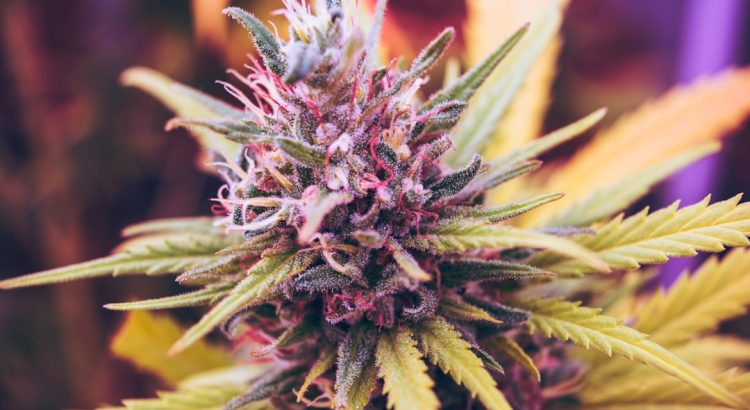
Fresh flowers get sorted into tiers before it ever reaches a shelf. Look, smell, feel under close inspection, all of it factors in. Grading exists to separate quality rather than treat every harvest as identical. Buds go under strong light first. Graders check trichome coverage and overall structure before anything else gets considered. Dense, tightly formed buds coated heavily in trichomes usually land in a higher tier. Looser or smaller buds get sorted lower, regardless of how they were grown. Aroma matters too; a strong, distinct scent tends to signal proper curing somewhere along the line. Moisture gets checked as well. Flowers that feel too dry, or slightly damp, rarely earn a spot in the top tier, no matter how good they look otherwise. Buyers sourcing high-THCA flower lean on these tiers to know roughly what they’re getting before a container even gets opened. That’s really the whole point of grading. This early check sets the baseline everything else builds from, giving buyers something consistent to compare across different harvests and suppliers.
What shapes each grade?
Grade comes down to how a bud looks, smells, and holds together once handling starts.
Visual density carries real weight. Tightly packed calyxes coated thick in trichomes beat sparse, airy buds almost every time. Colour plays in too, vibrant greens and purples usually score higher than dull or faded tones that hint at a curing problem. Trim quality factors in here as well; closely trimmed buds without stray leaf material tend to score better than rougher trims. Structural integrity gets weighed carefully, too. Plants that maintain their shape under light pressure are given a higher grade than plants that fall apart as soon as they are touched.
Tiers of grading
A few recognisable tiers define most commercial flowers:
- Top-tier buds show dense structure, heavy trichome coverage, and strong aroma throughout the batch.
- Mid-tier flower carries a solid structure and noticeable trichomes, though coverage runs a bit lighter than top-tier examples.
- Lower-tier flowers often show looser structure and lighter trichome coverage, still usable though visually less refined.
- Trim and shake represent leftover material from processing, valued differently than whole bud tiers above it.
Each tier serves a different purpose depending on what a buyer actually needs. Knowing these distinctions helps match expectations to the right grade from the start, rather than guessing.
Visual grading indicators
Trichome density is one of the clearest indicators graders rely on. Coverage lines up closely with both appearance and overall quality across a batch. Bud shape adds another layer here too, rounded, dense colas typically outscore looser, elongated growth patterns common in lower tiers.
Colour consistency across a single batch signals careful cultivation. Uneven colouring often points back toward inconsistent growing conditions somewhere in the cycle. Graders weighing all these details together arrive at something closer to the full picture, not just one trait in isolation. That’s what gives buyers a dependable way to compare flowers across different sources and make a real choice about which grade actually fits what they need.