

Key Takeaways
-
- Establishing an emergency fund safeguards against unexpected expenses by providing a financial cushion.
- Strategic budgeting lays the groundwork for financial control and enables you to reassess your priorities regularly.
- Accessing financing options can provide much-needed flexibility during cash shortages, but should be approached with care.
- Cutting unnecessary expenses frees up resources for more critical needs, helping you stay focused on your financial goals.
- SMART financial goals transform intentions into action by making your goals concrete and trackable.
Effectively managing short-term financial needs is a cornerstone of long-lasting financial health, and it’s a skill that benefits everyone regardless of age or income. Life is filled with unexpected twists, from a sudden medical bill to unplanned car repairs or seasonal dips in revenue. When these situations arise, having a plan in place helps ensure you don’t compromise your plans or accumulate unnecessary debt. For many, exploring innovative solutions like MaxLend can offer a flexible way to meet urgent cash needs. However, a truly comprehensive and resilient approach to short-term expenses involves much more: careful planning, thoughtful budgeting, disciplined saving, and the adoption of adaptable strategies that can be called upon whenever the need arises.
Navigating financial challenges with confidence requires more than relying on quick fixes. It means developing healthy money habits and setting strong financial safeguards to prepare you for the uncertainties life may bring. Understanding your own financial landscape, including your income streams, spending patterns, and liabilities, empowers you to make informed decisions. Using available tools and proactive steps, such as building a financial buffer, monitoring spending, and making every financial decision deliberately, can put you on the path toward stability. Equipping yourself with these habits and tools ensures you can respond to emergencies or setbacks without sacrificing your overall financial well-being.
Build an Emergency Fund
An emergency fund is your first line of defense against unforeseen expenses such as medical emergencies, vehicle repairs, or a sudden loss of income. Financial professionals suggest targeting at least three to six months’ worth of essential expenses, but even setting aside $500 to $1,000 can make a substantial impact. This fund can cover minor emergencies without derailing your budget or forcing you to use high-interest options like credit cards or payday loans. Gradually growing your emergency fund provides a sense of security and peace of mind, especially during turbulent times when unexpected bills seem overwhelming. The earlier you start, even with modest amounts, the better your buffer against setbacks. For more tips on getting started, visit NerdWallet’s guide to emergency funds.
Create a Detailed Budget
Developing a budget is perhaps the single most effective way to gain control over your finances. Start by documenting your total monthly income, including regular wages, freelance earnings, or any side hustle, and then categorize every expense as either fixed (housing, utilities) or variable (dining out, entertainment, hobbies). This close inspection quickly highlights where your money is going. It reveals how to adjust spending, so you can redirect funds to your priorities, like saving for emergencies or paying down debt. Regularly revisiting and updating your budget as your situation changes helps you stay aligned with your goals and can prevent overspending. A solid budget acts as a financial roadmap, guiding you through tight months and allowing flexibility when times are good. A comprehensive guide on budgeting can be found at CNBC.
Explore Financing Options
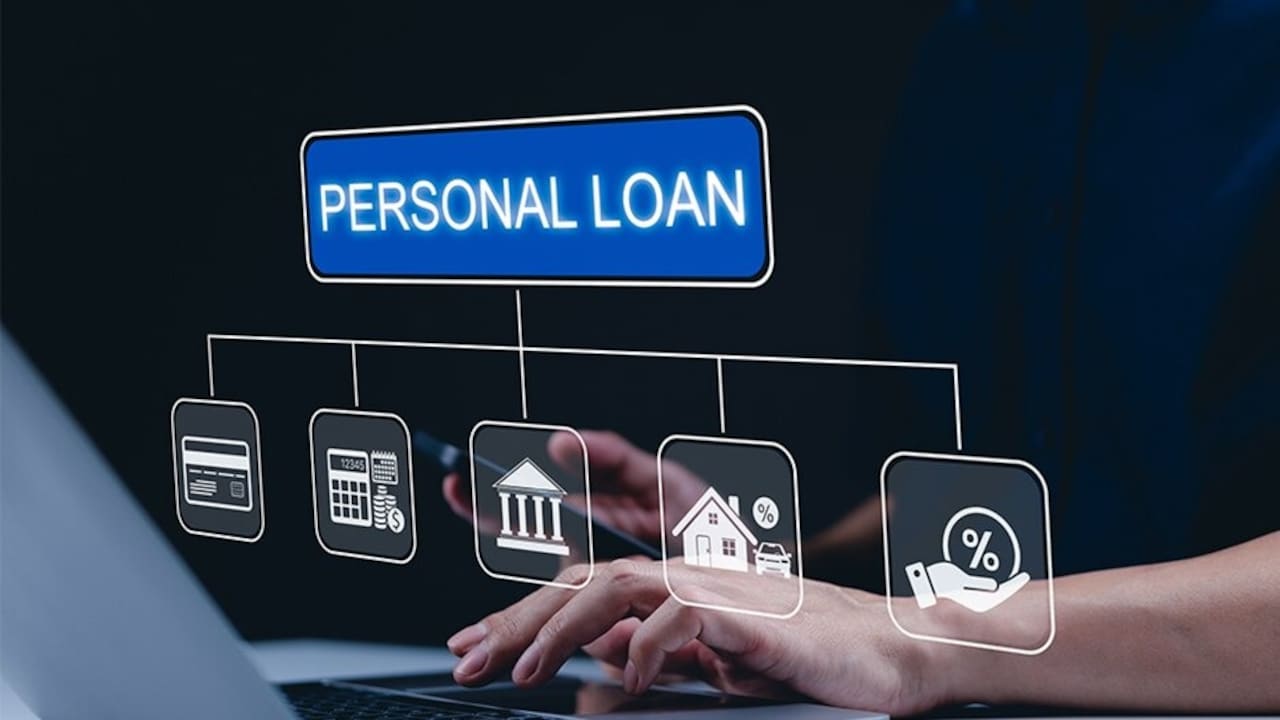
In situations where short-term needs exceed your available savings, you might need to consider other financing options, such as personal loans, lines of credit, or cash advances, to bridge the gap. Each form of financing has its own pros and cons, so take the time to review interest rates, repayment terms, fees, and the potential impact each will have on your credit score. Responsible use of credit can provide valuable flexibility, but only if you have a plan in place to repay what you borrow quickly. In urgent or complex circumstances, prior consultation with a financial advisor or trusted professional can help you weigh the possibilities and avoid costly missteps.
Reduce Unnecessary Expenses
Eliminating discretionary spending is a practical and immediate way to free up financial resources. Start by reviewing all your recurring subscriptions, from streaming services to magazine deliveries, and trim those you rarely use. Consider cutting back on takeout, impulse purchases, and luxury items that aren’t truly essential. Simple adjustments, such as making coffee at home, meal planning, and using public transportation or carpooling instead of driving alone, can add up to real savings over time. You might also review your insurance policies, phone plans, and utility contracts for opportunities to negotiate better rates. Revisiting your expenses monthly helps you keep old habits at bay and steadily build healthy financial routines.
Set SMART Financial Goals
Applying the SMART (Specific, Measurable, Achievable, Relevant, Time-bound) framework to your short-term financial planning increases your chances of success. Rather than simply resolving to “save more,” set targeted, actionable goals, such as “Save $500 for holiday expenses in three months” or “Lower my grocery bill by $50 each month for the next quarter.” This method gives you a precise target and deadline, making it easy to track your progress and adjust if needed. Breaking down big ambitions into smaller steps helps you stay motivated and recognize milestones. Clear, defined goals also enable you to celebrate successes along the way, reinforcing positive financial behaviors. Learn how to set financial goals with Forbes Advisor.
Utilize High-Yield Savings Accounts
Storing your emergency fund and short-term savings in a high-yield savings account offers two significant benefits: your money remains safe and liquid, while earning higher interest rates than you’d typically find in standard checking or savings accounts. This added interest helps your savings keep pace with inflation, effectively maximizing your buying power. When selecting the best account, compare rates among online banks, credit unions, and traditional banks, and watch for maintenance fees or minimum balance requirements that could eat into your returns. Many banks allow you to open these accounts online with minimal hassle, making it easier than ever to grow your savings efficiently.
Automate Savings and Payments
Automating your financial processes removes human error and ensures consistency in achieving your savings goals. Schedule automatic monthly transfers to your emergency fund or designated goal accounts so that a portion of each paycheck goes to savings before you have the chance to spend it. Similarly, setting up auto-pay for essential bills, like rent, utilities, and loan payments, helps you avoid late fees and potential hits to your credit score. By streamlining these routine tasks, you free up mental space and maintain a high level of financial discipline, even during busy or stressful periods.
Seek Professional Financial Advice
Working with a financial advisor provides the benefit of unbiased, expert guidance tailored to your individual circumstances. Advisors are equipped to help you develop realistic budgets, identify suitable investment or savings opportunities, and design debt repayment strategies that align with your goals. In particularly complex or challenging financial situations, their experience can help you avoid common pitfalls, minimize risk, and craft a step-by-step plan for future prosperity. Many financial professionals offer free consultations or resources to get started, so don’t hesitate to seek out support when needed.
By proactively adopting these strategies, you can tackle short-term financial needs with clarity and confidence, safeguard your financial well-being, and lay the groundwork for a more secure future. Solid financial habits and proactive planning are not just about surviving tough times; they’re about creating a life of stability and opportunity, even in the face of uncertainty.


