
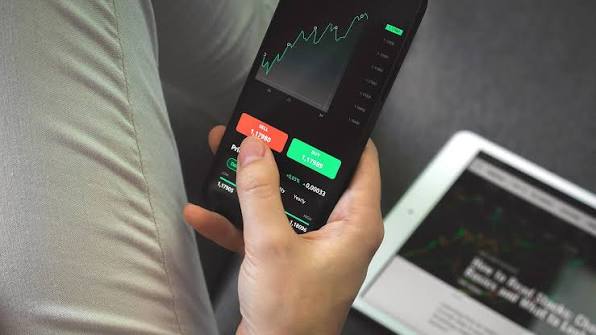
broking is the service framework that connects investors and traders with securities markets through an authorised intermediary. While many users associate a broker mainly with placing buy and sell orders, the relationship usually includes much more than execution.
A broking platform may support account opening, market access, order management, funds, holdings, statements, research tools, customer service, and links with a demat account. Understanding these functions can help users compare providers more carefully instead of choosing one only because of a promotional brokerage rate.
A Broker Provides the Route to the Market
Individual investors do not normally send orders directly to an exchange infrastructure themselves.
A broker provides the interface through which eligible orders can be submitted.
This market-access role may involve:
- Receiving the order
- Sending it for execution
- Updating order status
- Maintaining transaction records
The user sees a simple buy or sell button, but several processes operate behind that interface.
Execution Quality Matters Alongside Speed
Fast order placement is useful, especially during active markets.
However, users should also consider whether the platform makes execution information clear.
Important details may include:
- Order status
- Quantity
- Price
- Filled quantity
- Pending quantity
A fast interface is of limited value if users cannot easily determine whether an order has been fully executed.
Clarity is an important part of execution quality.
Different Order Types Serve Different Purposes
Broking platforms commonly support several order choices depending on the market and product.
Two basic examples are market and limit orders.
A market order generally prioritises execution at available prices.
A limit order allows the user to specify a preferred price.
Understanding the distinction matters because the final execution can differ from what the user expects, particularly during volatile conditions.
Broking Charges Should Be Reviewed in Full
Brokerage is only one potential transaction cost.
Depending on the type of transaction, other applicable charges may include:
- Exchange-related charges
- Taxes
- Regulatory charges
- Depository-related charges
Users should review the actual cost structure instead of relying only on a headline such as low brokerage or zero brokerage.
The cheapest broker for one type of user may not be the cheapest for another.
Long-Term Investors and Active Traders Need Different Services
A long-term investor may place relatively few orders.
Their priorities may include:
- Holdings visibility
- Reliable statements
- Research information
- Account support
An active trader may care more about:
- Faster order modification
- Charts
- Position monitoring
- Market depth
- Alerts
The broking service should match the user’s intended activity.
A Trading App Is Only One Part of the Service
A Trading App may be the most visible part of a broker’s offering, but it should not be the only factor used for comparison.
Users should also consider:
- Account infrastructure
- Charges
- Support quality
- Reliability
- Security
A visually impressive app can improve usability, but it does not compensate for unclear charges or weak account support.
The broker should be evaluated as a complete service, not just as an interface.
Demat and Trading Functions Are Connected but Different
A trading account and a demat account serve related but distinct functions.
The trading account generally supports market transactions.
The demat account holds eligible securities electronically after settlement.
For users buying shares for delivery, the two functions work together.
Understanding this distinction can make account statements and holdings easier to interpret.
Fund Management Should Be Transparent
Users may need to transfer money into or out of their trading account.
A useful broking platform should make it easy to review:
- Available funds
- Funds used
- Withdrawable balance
- Transaction history
Clear fund visibility helps users avoid placing orders without understanding how much capital is actually available.
Portfolio Information Should Be Easy to Read
Long-term investors benefit from a clear holdings section.
Useful details may include:
- Security name
- Quantity
- Average purchase price
- Current value
- Overall allocation
A portfolio view should help users understand exposure rather than showing only daily profit and loss.
This can be especially important when several holdings belong to the same sector.
Statements Matter More Than Many Users Expect
Statements can become important for:
- Reviewing transactions
- Checking charges
- Reconciling holdings
- Maintaining records
Users should know where to access official account statements.
A broker that makes records difficult to locate can create unnecessary administrative work.
Research Tools Can Add Convenience
Some brokers provide tools such as:
- Screeners
- Company financials
- Market news
- Charts
- Watchlists
These can make market research more convenient.
However, they should be treated as information sources rather than automatic instructions.
The final decision should remain connected to the user’s own goals and risk profile.
Platform Stability Is Part of Broking Quality
Reliability becomes especially important during periods of high market activity.
Users may need to:
- Place an order
- Modify a pending order
- Exit a position
- Review funds
If the platform becomes unstable during such periods, the problem is not merely inconvenient.
It can affect the user’s ability to manage market exposure.
Customer Support Can Become Critical
Broking involves more than ordinary app usage.
Users may need help with:
- Orders
- Funds
- Holdings
- Charges
- Corporate actions
- Account access
Official customer-support channels should be easy to locate.
Support quality is particularly important when a financial issue cannot be resolved directly through the app.
Security Should Be Evaluated Seriously
A broking relationship may involve access to financial assets and personal information.
Users should follow strong security practices, including:
- Secure passwords
- Verified login methods
- Device protection
- Regular account monitoring
Sensitive credentials such as OTPs and PINs should never be shared with unknown individuals.
Promotional Offers Should Not Drive the Entire Decision
Brokerage discounts, referral offers, or account-opening promotions may be useful in the short term.
They should not outweigh more important factors such as:
- Reliability
- Service quality
- Charges
- Security
- Long-term usability
A broker may remain part of an investor’s financial setup for many years.
The comparison should therefore focus on ongoing service quality.
A Demat Account App Should Keep Holdings Manageable
A Demat Account App should make it easy to review eligible holdings, transactions, statements, and account information without unnecessary complexity.
When the demat and broking functions work together clearly, users can better understand what they own, what they have traded, and how those transactions are reflected in their account records.
Conclusion
broking is much broader than pressing a buy or sell button. It includes market access, execution support, transaction records, costs, fund management, account infrastructure, holdings visibility, security, and customer service.
Users should compare broking providers according to their actual needs rather than focusing only on headline brokerage rates or app design. A long-term investor and an active trader may value very different features.
A strong broking service should make market access dependable, costs transparent, and account management easy to understand.
FAQs
1. What is broking?
Broking refers to services that enable eligible investors and traders to access securities markets through an authorised broker and manage related transactions.
2. Is a broker the same as a demat provider?
Not necessarily. Trading and demat functions are related but serve different purposes, although they may be offered together through the same platform.
3. What should I compare when choosing a broker?
Important factors can include charges, execution quality, platform reliability, support, security, research tools, and account usability.
4. Why are account statements important?
Statements help users review transactions, charges, holdings, and other account activity over time.
5. Is low brokerage enough to choose a broking platform?
No. Reliability, security, service quality, support, and the complete applicable cost structure should also be considered.